
Reading the Stripes
The Wooly Bear Whispered Truth

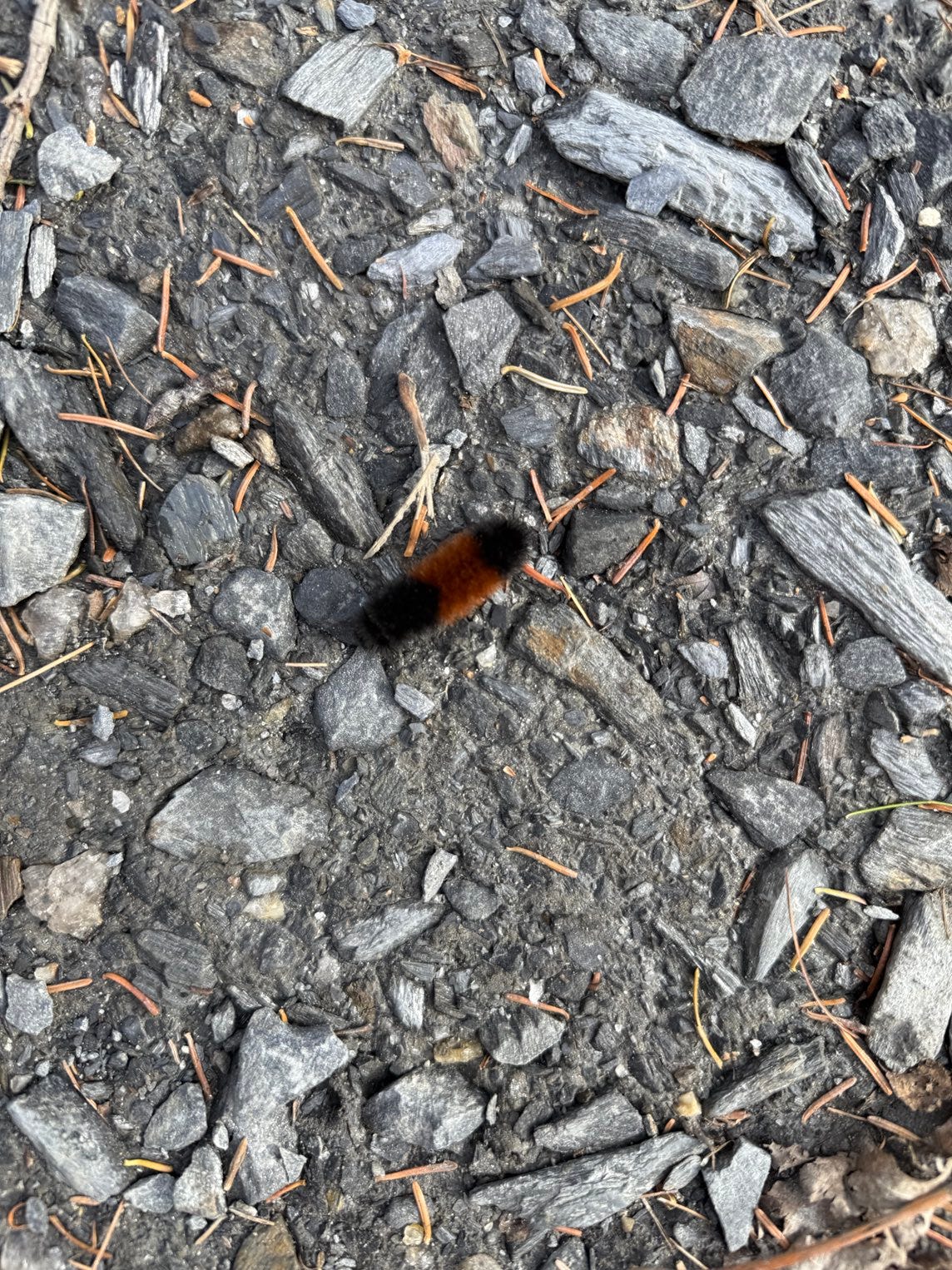
Every year, near the end of October, you can start watching the road shoulders and the fence lines for wooly bear caterpillars. They show up right when the year is closing in, slow and deliberate, crossing dirt roads with a kind of patience that belongs to the season. Black and orange banded, they carry the change of the year on their backs. There is an old belief tied to those stripes: a wider brown band through the middle points to a mild winter.
More black at the front warns of a bitter start.
More black at the back signals a hard finish.
It is not science and it is not magic. It is something older and quieter, a way of reading the year that trusts patterns, honors signs, and stays close to the ground.
People once watched the world this way as a matter of course.
Some still do, if they are paying attention.
This fall, the wooly bears you saw here wore thick black collars at the front, a wide warm stripe in the middle, and only a narrow trace of black at the back. The message was whispered in their bristles: brace for a hard beginning, then hold steady. The worst would pass early.
That is exactly how it has unfolded.
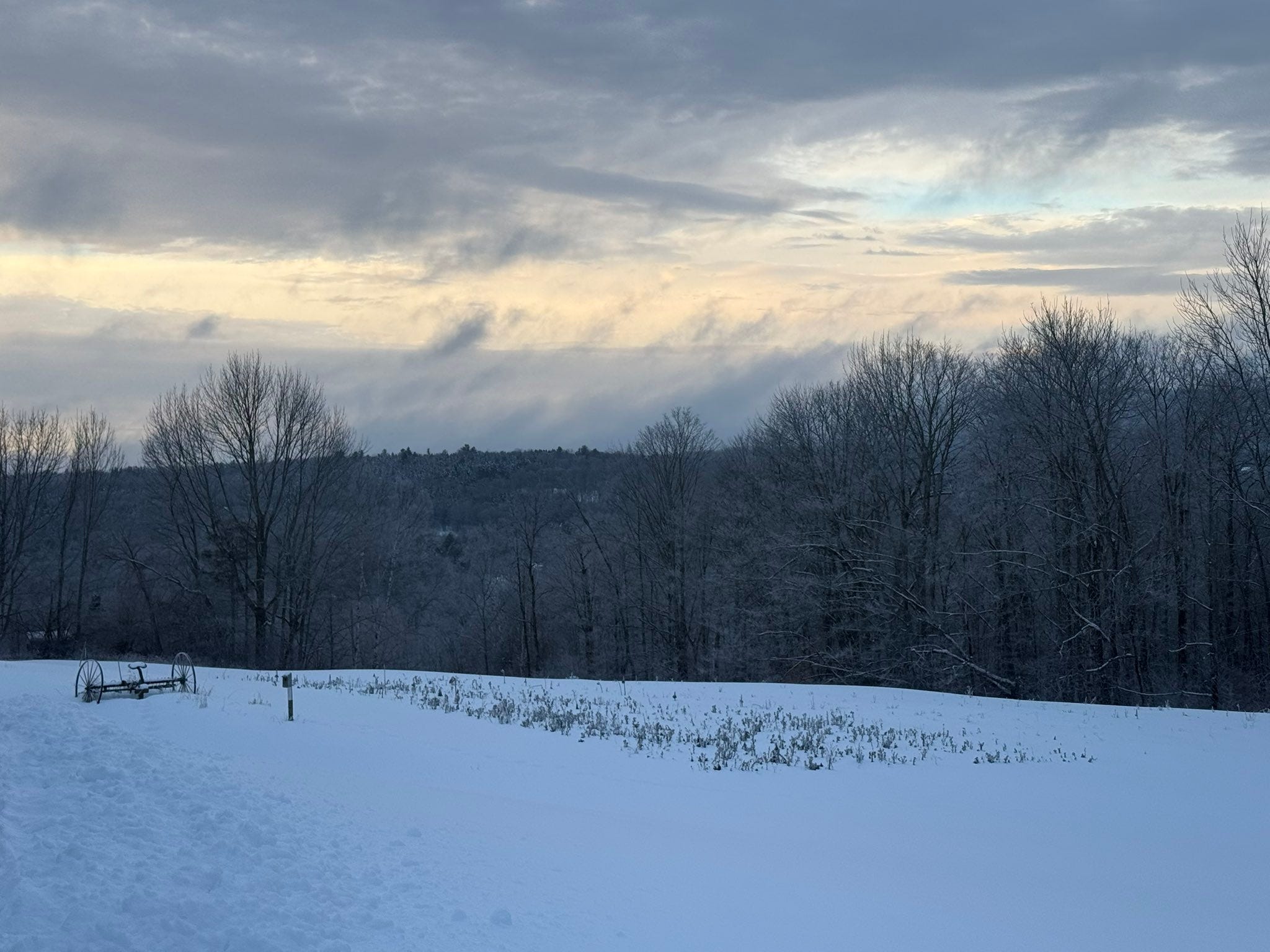
November arrived sharp and unyielding. December followed with wind and cold. Pipes froze, snow fell, the bees took a beating, and mornings began before daylight with another log laid on the fire. Then, somewhere around the turn of the year, the pressure eased. January has been mild so far. Days have hovered in the low thirties, with forties ahead, bare roads under steady sun, fog lifting off the meadow as the sun rises over the tree line. Ice slipped from the eaves and snow slid from the roof yesterday in a sudden crash that sent the cat, cozied up by the stove, running.
Winter often feels like a proving ground, a watchman who asks his harsh question and then steps back. There is no promise it will not return. February still waits with its teeth bared, snarling. The wooly bear said what it said though, and so far it has been right.
It makes a person wonder what else goes unnoticed when we stop looking.
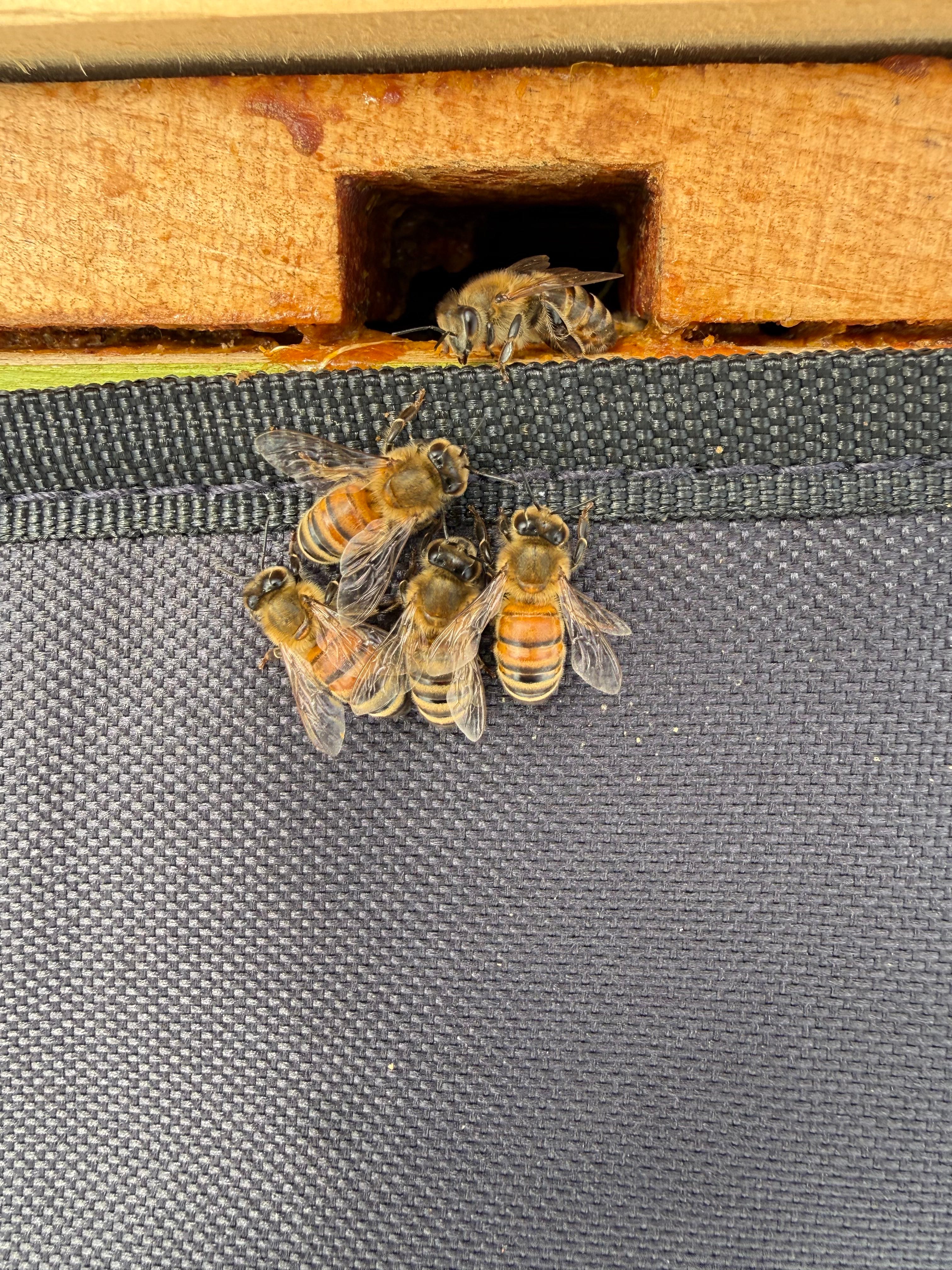
There is a kind of rural divination in this habit, not only in the wooly bear, but in the broader practice of watching the land for instruction. Acorns falling heavy. Wasps building high. Frost arriving early. These signs were once taken seriously because they mattered. They were not superstition so much as intimacy. You knew the world because you lived inside it, day after day, with your hands and your eyes and your body. You made judgments because your life or at least your livelihood depended on it. That stands apart from how we read the weather now. Now we scroll. We check radar. We refresh apps for hourly certainty and grow irritated when the sky refuses to comply. Oh, we care a great deal about precision and it does have its place, but the older way was more concerned with preparation. It was about living close enough to the land to recognize its steady patterns. You did not need exact numbers. You needed to step outside and feel what was coming.
The year does turn. Cold does not last forever. It’s not often the hardest stretch comes early, followed by a measure of relief like this however. This winter feels like endurance first, mercy later. That pattern reaches beyond weather though. Many of us are carrying weight right now. We brace for the worst, we carry weight early, and then, often without announcement, the load begins to ease. The wooly bear offers a quiet reassurance. Some hardship runs its course sooner than expected. Some seasons break before they settle in. There are signs written into the year that suggest the back half may be lighter than the front, if we are willing to notice them.
Three Actions to Live a More Rooted Life
For this week. For where you are.
