
Rebuilding Home

People will tell you that “you cannot go home again.”
What they mean is that time moves in one direction; the old people die, the stores close, the fields grow over, and the little places that once anchored a childhood lose their shape beneath the capricious whims of modern life. A man returns years later looking for what he remembers and instead finds vinyl where there was once canvas, particle board where there was once pine, disposable things stacked beneath fluorescent lights where there were once shelves lined with goods meant to last a lifetime and beyond. Yes, much of modern America feels temporary now, as if everything around us has been designed with the quiet assumption that it will soon be thrown away.
Still, home, the very concept of place and what roots us there, is more durable than people admit. We are not so lost yet.
Across New England there was once a weight to ordinary things that is difficult to explain to anyone who did not experience it. The old L.L. Bean boots lined up by the door felt indestructible. The Hudson Bay striped wool blankets stacked in cedar chests carried the smell of campfire and salt air. The mugs in the kitchen cabinet were thick clay that held heat in your hands on cold mornings. Sturdy wooden tables bore the marks of decades of use and nobody thought twice about it because things were expected to age alongside the families who owned them.
Everything felt rooted and was built with the assumption that permanence was not only possible but the assumed default.
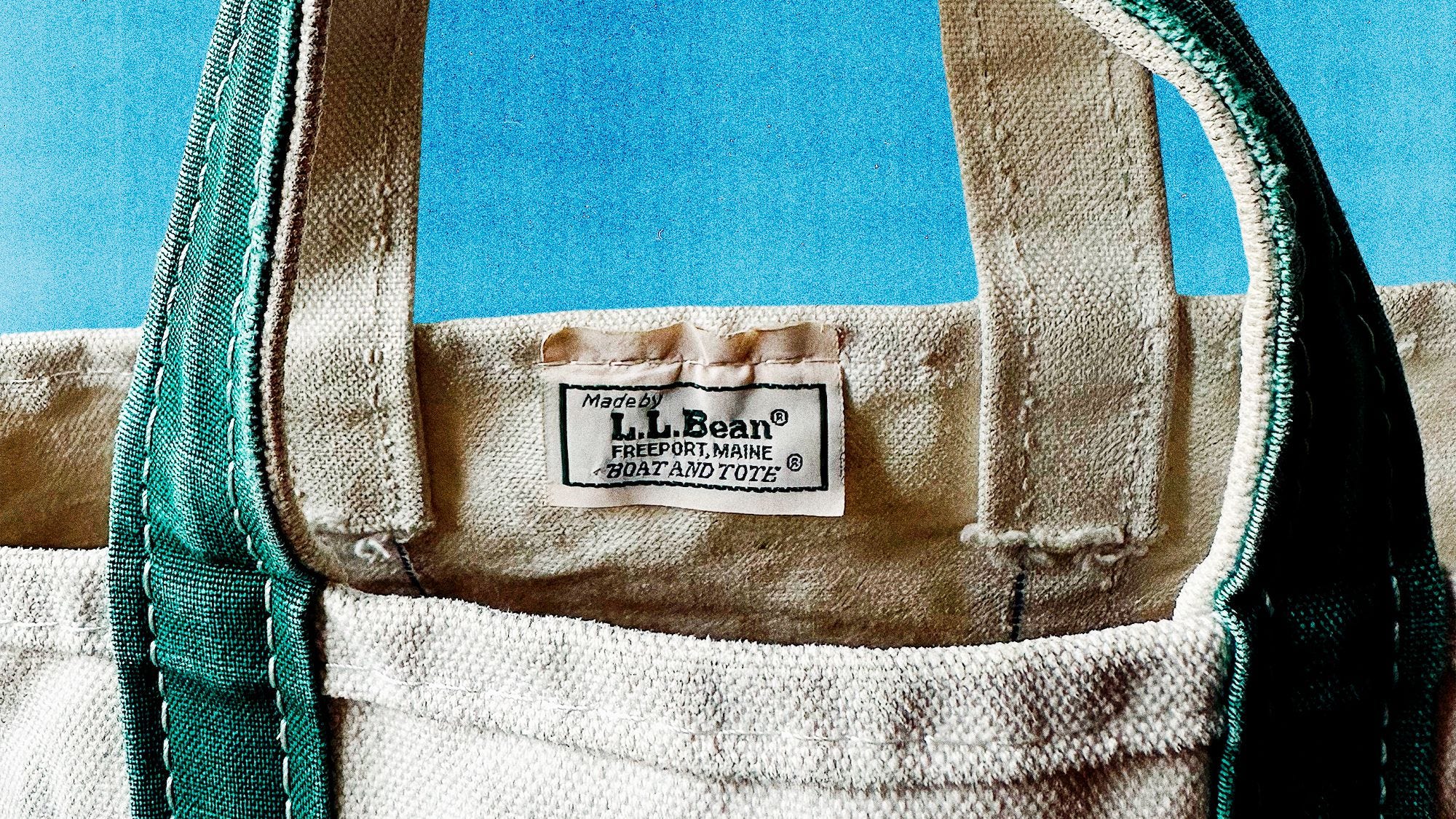
It is easy to write this off as materialistic nostalgia, which would be both cynical and short sighted. These objects mattered; they were expressive of the local, seasonal ethos. They served as conduits for the values of the people who made and kept them. A home deserved honest craftsmanship, natural materials, durable beauty. Care mattered. Stewardship mattered. A person repaired things instead of replacing them because there was dignity in maintenance and continuity, dignity in handing something down instead of throwing it away. The objects themselves reinforced a broader cultural confidence, a belief that families and communities were building toward something enduring rather than merely consuming whatever passed through their hands.
That confidence has eroded alongside the objects.
Modern life prizes convenience above nearly everything else. Fast shipping, fast fashion, fast entertainment, fast food. Entire industries now exist to eliminate friction from daily life, yet so many people feel exhausted and untethered despite the omnipresent convenience. Homes themselves often feel temporary, filled with furniture nobody expects to survive a single move and products nobody intends to repair. Even the language surrounding modern goods reveals the problem:
Disposable.
Single-use.
Content.
Stream.
Feed.
Everything passes through our hands as sand and leaves no imprint behind.
You were not made for that kind of rootlessness, that impermanence, that loss.
A home changes when the things inside it are made with care. A wool blanket folded over the arm of a chair changes a room. A beeswax candle lit at the dinner table softens the harshness of a hard evening. A handmade mug asks a person to linger over coffee for another minute instead of rushing toward the next thing. These may seem like small details, but a life is mostly composed of small details repeated over time.
So too a culture.
That is part of what Humming Meadow hopes to recover. Honey was simply the clearest expression of something older and more enduring that still survives beneath the surface of American life. Family. Nature. Tradition. Those words sound quaint to some people now, maybe even embarrassingly archaic or even politically charged, but they remain among the only sturdy foundations left available to a wounded culture increasingly organized around speed, novelty, and disposability.
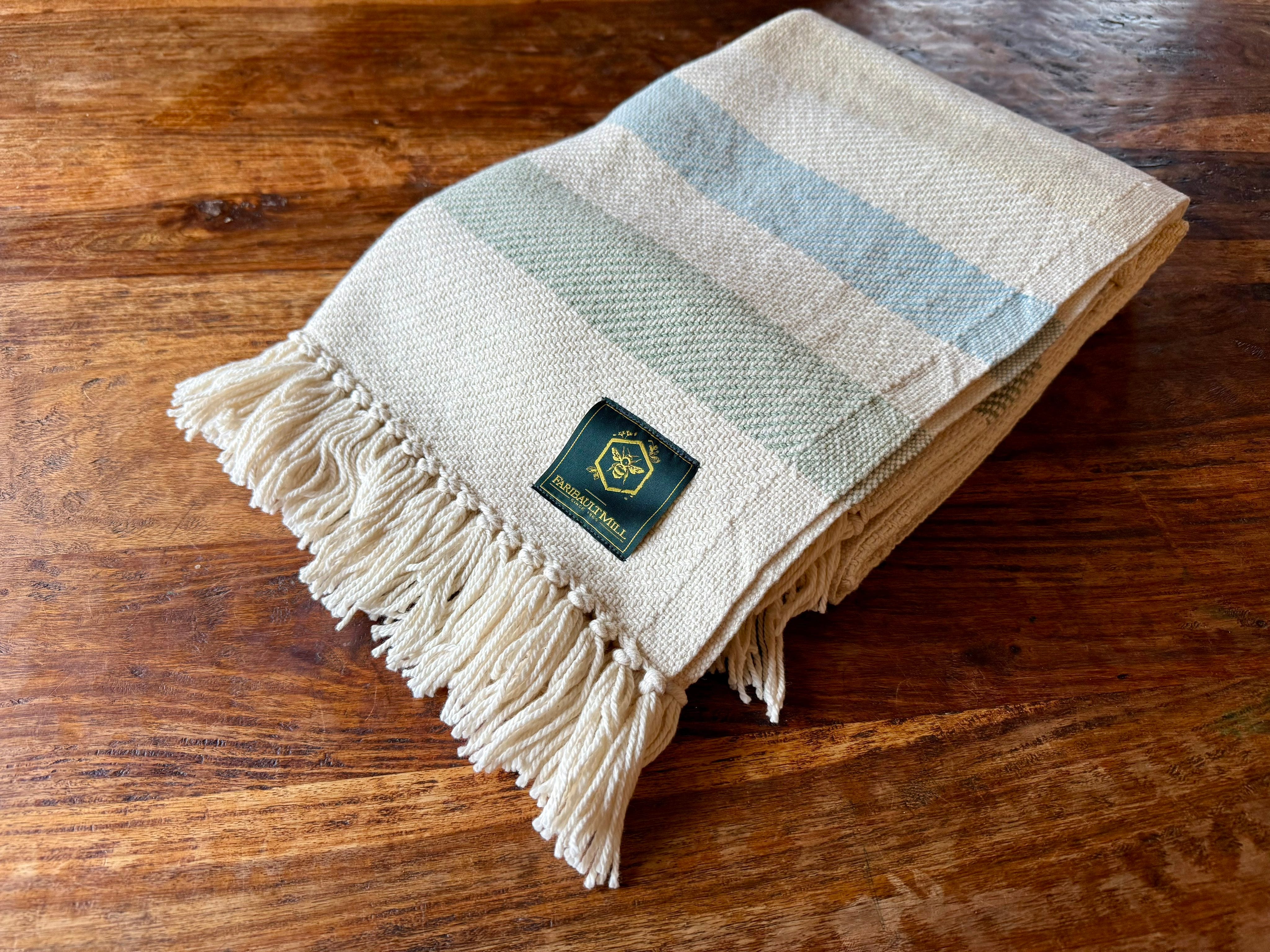
The hunger for something more enduring is visible everywhere now. Young couples plant gardens behind small homes. Families learn to bake bread from old cookbooks stained with flour and butter. Men restore old trucks instead of financing plastic new ones they cannot repair themselves. Women search antique stores for quilts and cast iron and old wooden furniture built before planned obsolescence became standard practice. People are searching for weight again. Texture. Friction. Permanence. They want homes that feel lived in instead of staged.
This longing is often dismissed as nostalgia, though nostalgia is not quite the right word for it. Nostalgia traps people in the past. What is happening now feels active and intentional. People are searching for the old ways because many of those ways produced healthier homes and healthier communities than the wounded culture surrounding us now. They are searching for patterns worth recovering. Slowness. Stewardship. Craftsmanship. Shared meals. Real materials. Local identity. They are searching for ways to root themselves again in a world that increasingly asks them to float.
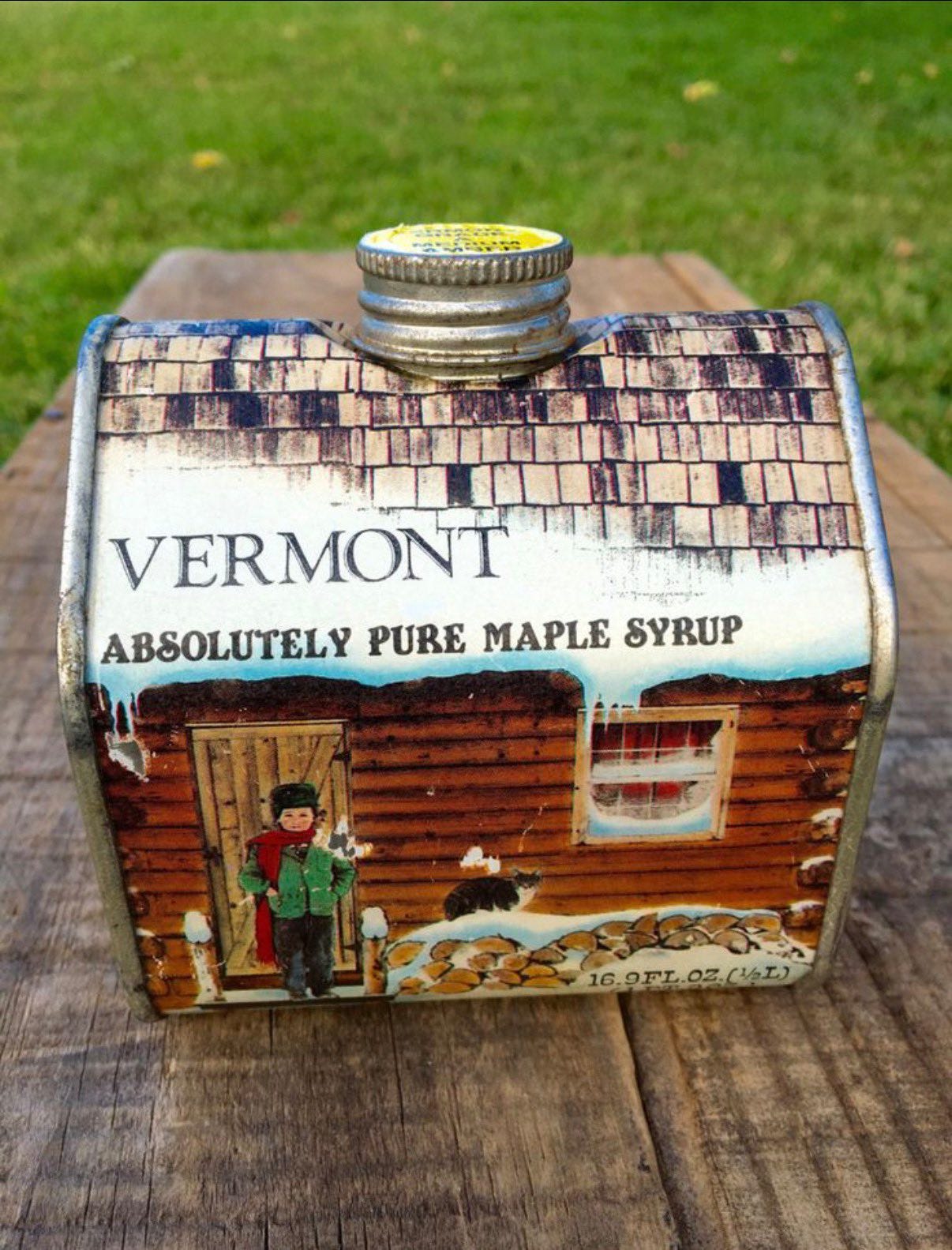
They are searching for a reclamation of what America was.
That old America is still out there.
It remains in the hills and along the coast, in the old stone walls and the salt-stained piers. It remains in old hardware stores and diners and church suppers. In barns smelling of hay and machine oil. In homes where the lights are warm and the tables are full and the objects have stories attached to them. It remains wherever people still believe that beauty, permanence, and stewardship are obligations rather than luxuries.
You are told “you can’t go home again.”
Perhaps going home again was never really the point.
Perhaps the real task before you is rebuilding it.
I use my mother's sterling flatware every day. I cook out of her Revereware pots that were made in Rome, NY in the early 1950s. Sadly, the Millennials in my family don't want them when I go, because they don't want the work to maintain them. I'm praying for enough years that they can observe with their own eyes that it doesn't take that much work.
Another wholesome, encouraging offering! “This longing is often dismissed as nostalgia, though nostalgia is not quite the right word for it. Nostalgia traps people in the past. What is happening now feels active and intentional.”
Such a useful and accurate distinction; a helpful frame to guide anyone’s movement away from ‘temporary’ to lasting.