
Strange Seasons

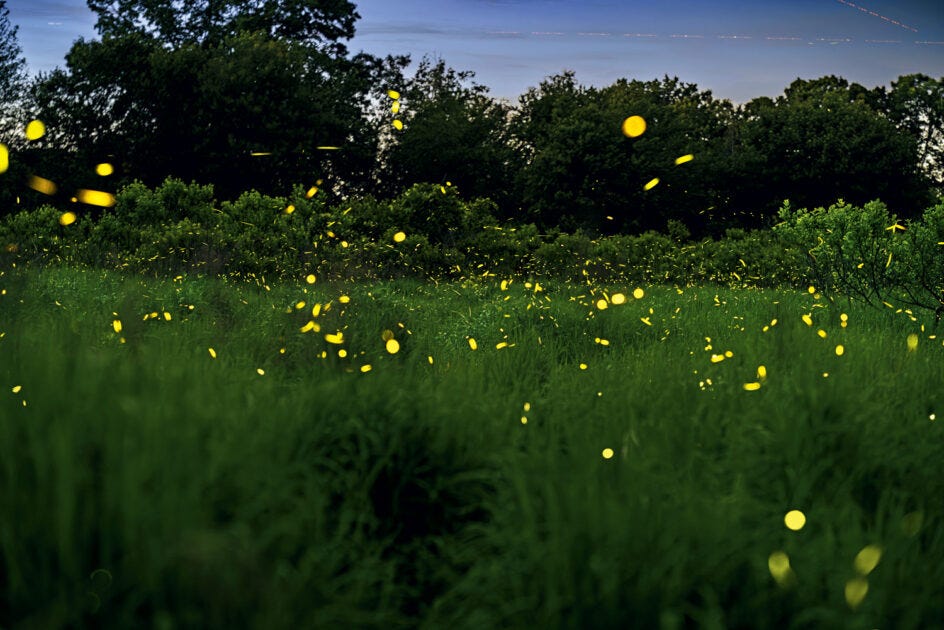
The fireflies have returned.
They should not have, though. They should not be here. Not yet. By any honest accounting of this place and its rhythms, its seasons and signs, the first little lights at the woodline belong to the first week of July, arriving reliably in the damp heat after the solstice as if to accompany the fireworks, their small cold-fires blinking in and out and in again over the tall grass while the year begins its slow march toward the dying light of autumn. That is the proper order of things. That is what these woods and fields have always done for as long as you can remember. There they are though a full month early, drifting out of the treeline in the June dusk like sparks shaken loose from the trees, unhurried, unconcerned, apparently unaware that they have arrived too soon. You may stand at the edge places where the lawn meets the field and the field meets the forest and watch them. You may realize that this season, like many seasons in our lives, is a strange season.
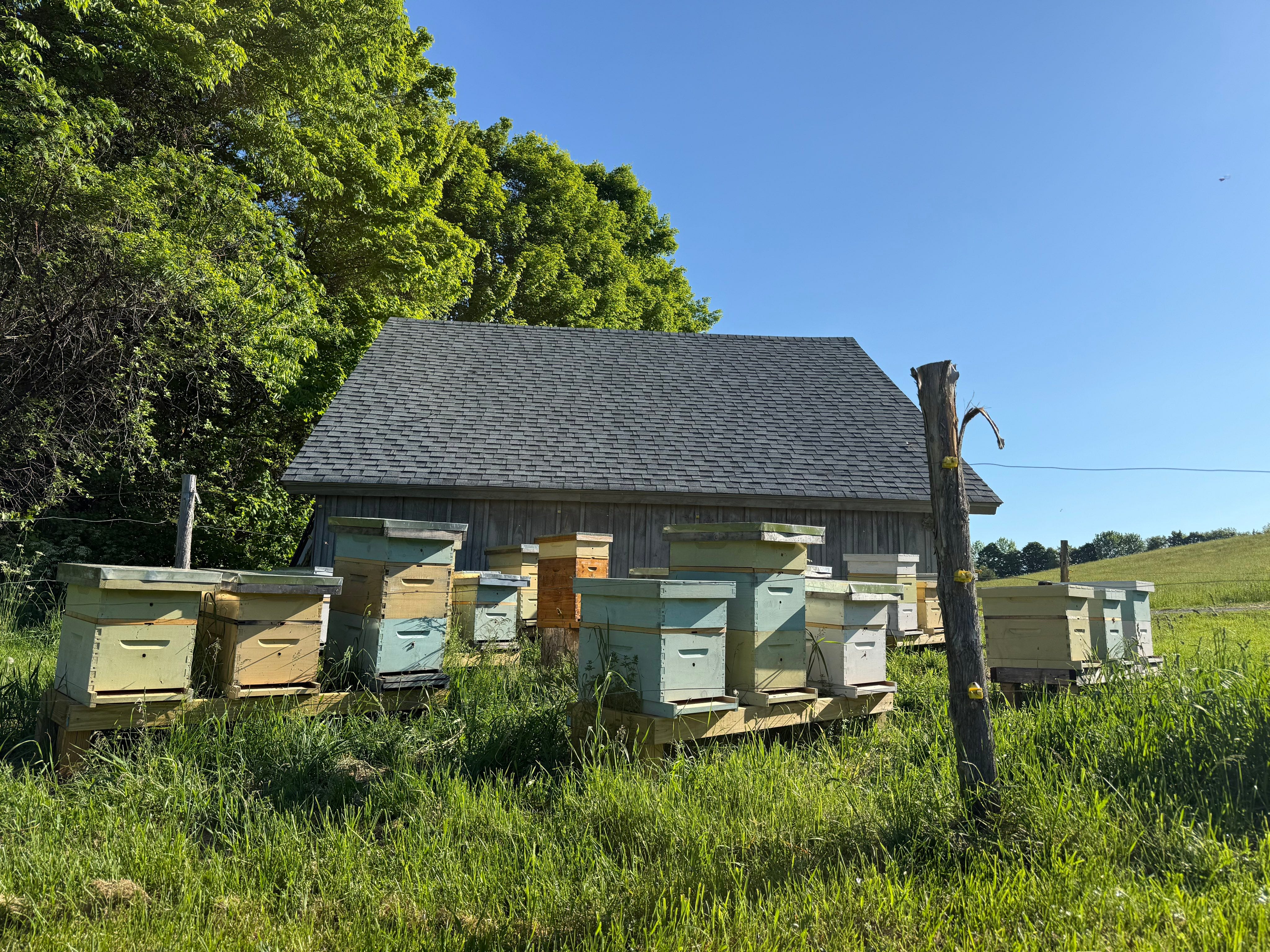
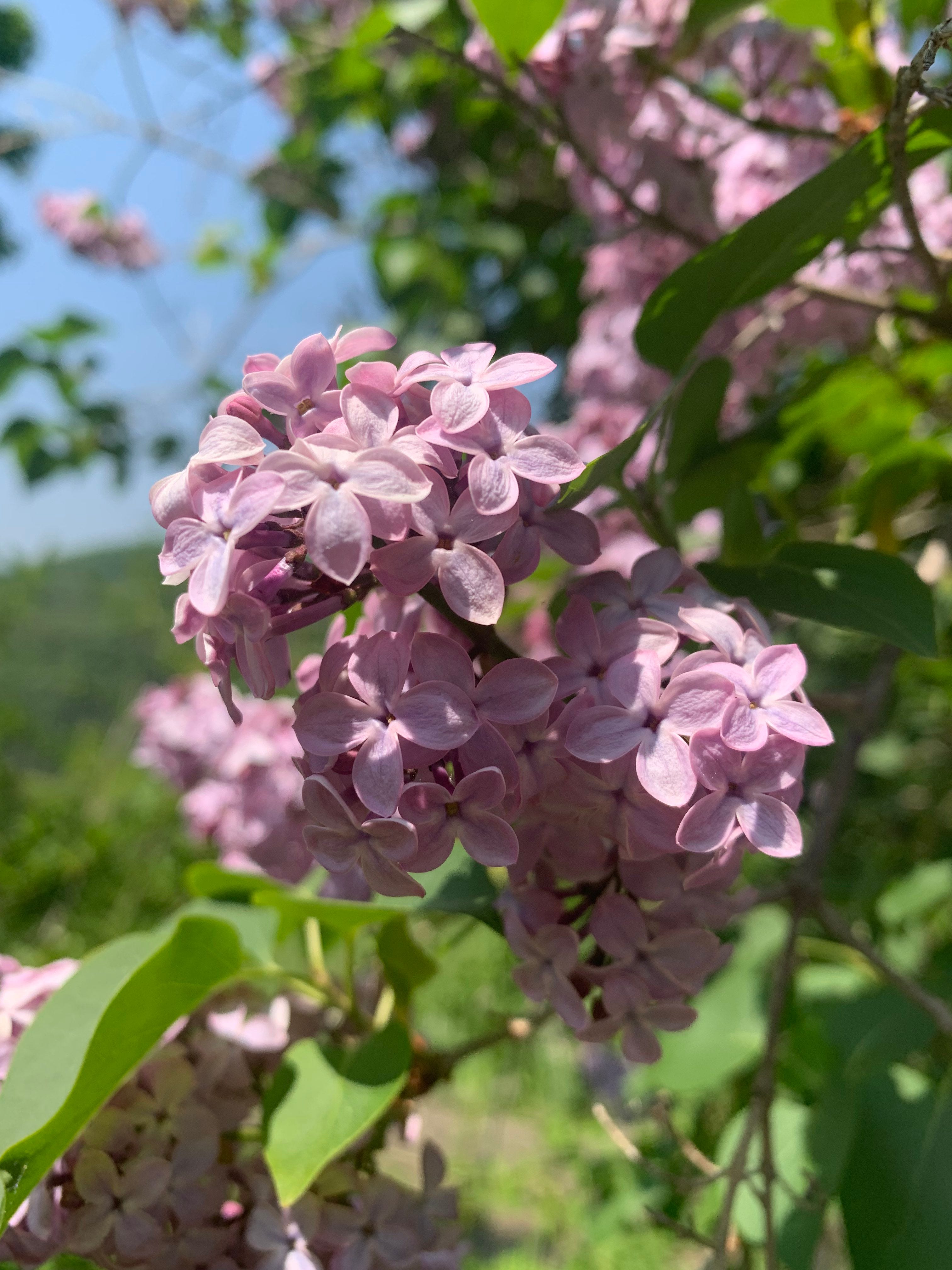
May came in cold and stayed that way, dragging the wet grey hem of her green dress across the hills well into the weeks that should have belonged to warmth and humming industry. The bees felt it. They stayed close to the hives on the cold days, conserving whatever you had given them, unable to range far into a landscape that refused to open, to bloom. The flowers were behind, the nectar was slow, and the whole green enterprise of the meadow ran late as though the world had looked too long out the window, lost its place in the book of seasons and was now searching for the lost right line. The biting bugs arrived one afternoon with a ferocity that felt personal and vindictive then vanished the next day as if ashamed of their behavior or embarrassed they arrived at the party too early. The lilacs, confused or perhaps simply indifferent to the seasonal disorder around them, bloomed long and full and strong and bloom yet still, the best showing in years, their smell drifting through the open windows in the mornings and filling the rooms with a generosity we feel as though we do not quite deserve.
The peepers, too, still sing. They should be slowing by now, their chorus thinning toward silence as the nights warm, but the cold kept the season hospitable and they are still there in the low wet places at dusk, still filling the dark with that ancient and arcane sound, rising, rising, ever rising. You walk out after supper and they are at it, faithful and unhurried, as though nobody told them June was supposed to be different.
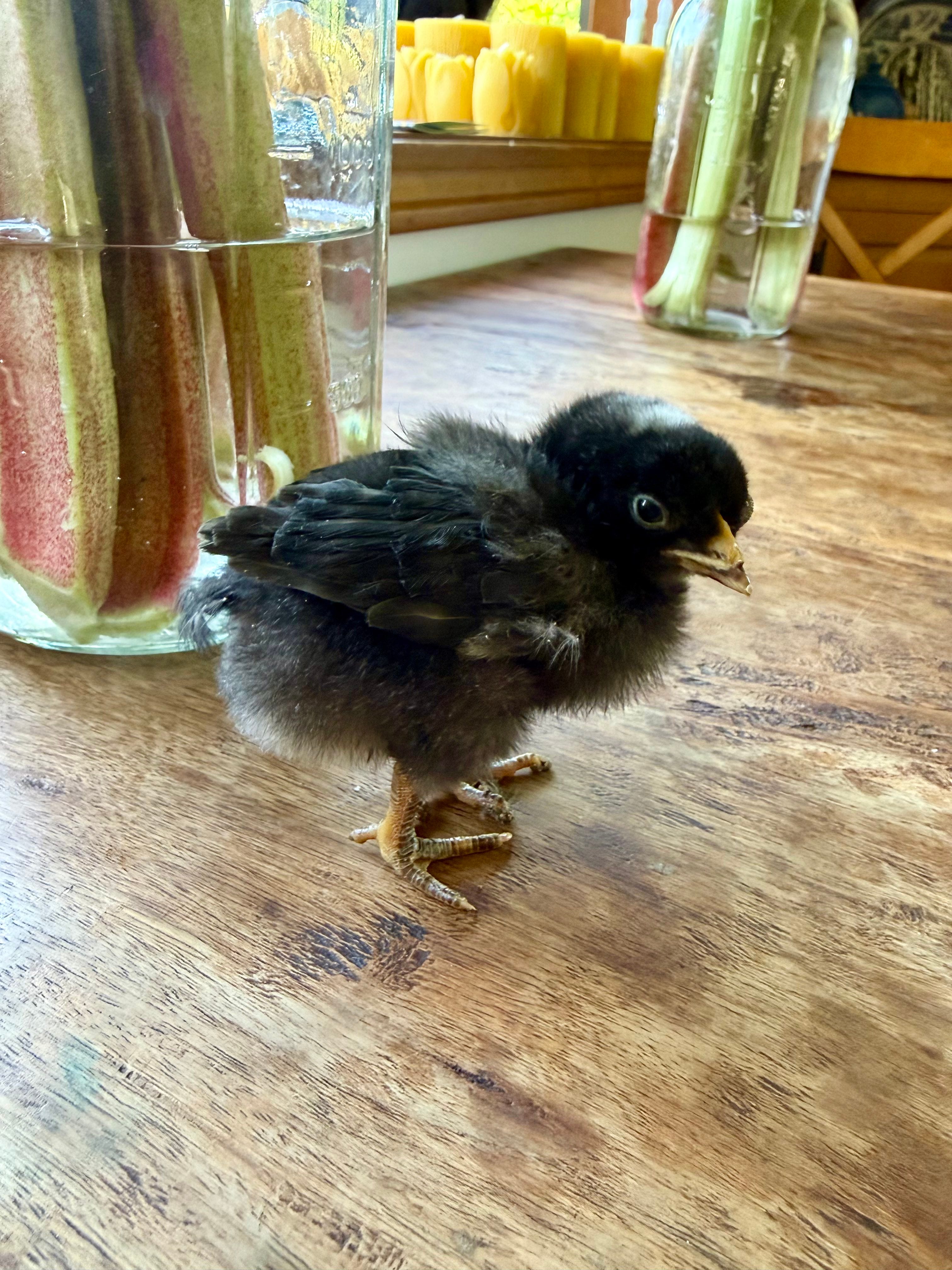
Stepping inside from the dusk and all its mystery, you return to the chicks hatched in the final week of May. One is smaller than the rest. She hatched small and wrong, the kind of small that tells an experienced eye to prepare itself for your children’s tears. In a brooder of healthy birds doubling in size by the day, she sat still, one eye milky, eating little. You have raised enough animals to know what that posture means and do not say anything to your child. You watch and wait, steal a glance between all your errands, and privately make your peace, which is what you do when you have learned that the natural world is all-too-often apathetic and unsentimental about such things. Then, without apology or explanation, the chick begins to improve slowly but with a sort of increasing conviction. She is not the largest bird in the brooder. She is not the first to the feeder. She wobbles and wanders, thrown off by her bad eye. She is alive however, fully and stubbornly alive, flapping and peeping and conducting her small life with the full commitment of a creature that apparently did not receive the original prognosis.
Your child names her “Snail Strong” because she is slow but tenacious.
Yes. Another good green trick played on despair.
Such strange seasons produce such strange outcomes. They confound the calendar and embarrass the forecast. They arrive with cold where you expected warmth, with absence where you expected abundance, and then they produce something you did not anticipate and could not have possibly planned. The fireflies at the woodline in June. The lilacs holding weeks past your expectation. The small chick that refused to die and instead received a name.
There are strange seasons in life that have nothing to do with weather, of course. Years that began with promise and turned cold in ways no almanac could have predicted. Stretches of time that felt like May in a bad year: present, yes, technically progressing, yes, but withheld somehow, the warmth never quite arriving, the flowers behind, the work slower than it should have been. You keep your routines and tend your obligations and do the necessary things and still the season does not open the way you had hoped. You begin to wonder if this is the year the pattern breaks for good. It does not break though, does it? It bends, strains, runs late, produces its lilacs and its early fireflies in the wrong order, and then it all turns again. The old wheel is not stopped by a cold May. Indeed, it is barely slowed.
June can sometimes ask this of you, ask you to live in what is rather than what was projected. It asks you to work a little slower on the cold mornings, to notice the lilacs still holding, to stand at the edge of the yard in the long evening light and watch the fireflies come out of the treeline a month ahead of schedule. You can react with suspicion. You can blame the climate or capitalism or the neighbor or whatever pet evil you so choose. They did not arrive wrong however. They arrived as they were, following whatever good green deep instruction governs such things, and they are here now, lighting the grass at the woodline while the peepers sing in the swamp and the small chick sleeps in the brooder with her siblings having survived a hard birth she was not supposed to survive. Gratitude is called for.
What you need to ultimately remember is that strange seasons are not failed seasons.
The peepers stay longer, the lilacs hold, the chick pulls through.
The fireflies come early to the woodline and blink their cold light against the black silhouettes of the maples and they do not explain themselves.
You watch them, and you shake your head, and you too endure.
